
10 reasons the proposed Road User Tax is bad policy
Here are the 10 main reasons why the planned Road User Tax is flawed and counterproductive for Australia.
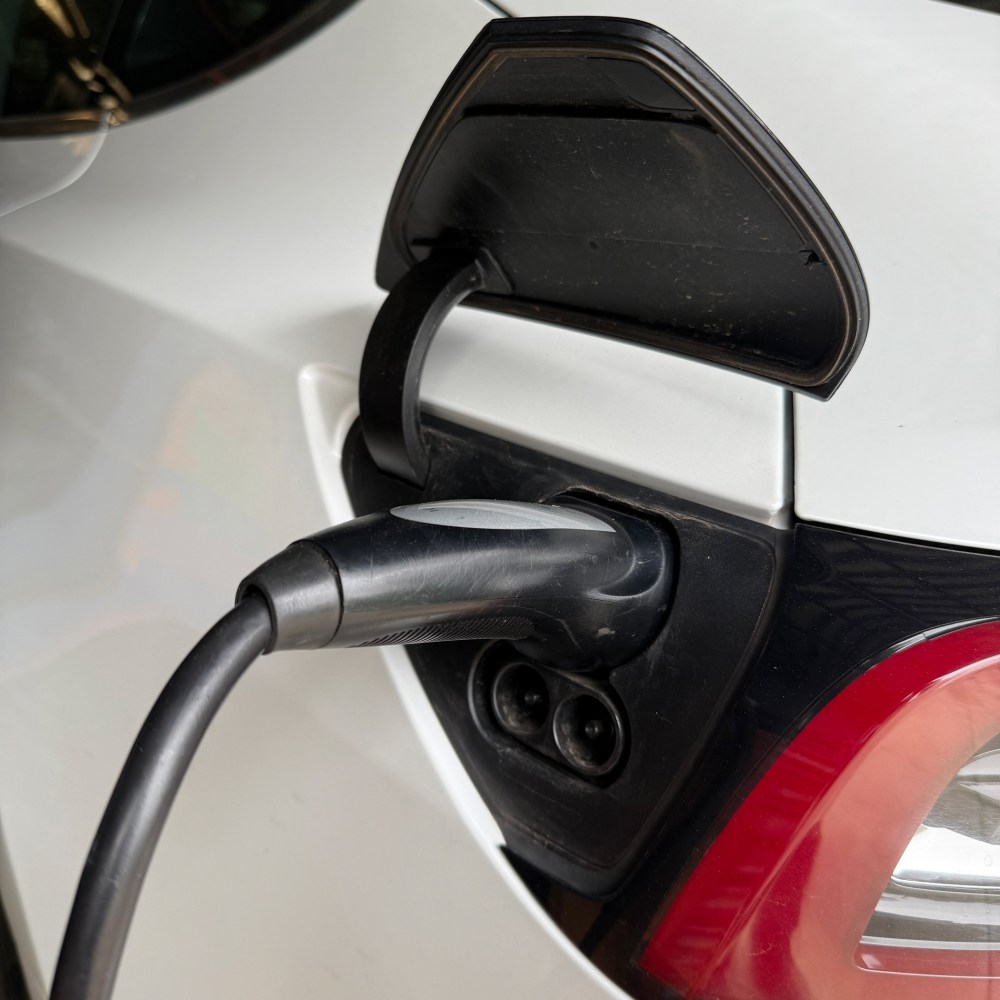
Here are the 10 main reasons why the planned Road User Tax is flawed and counterproductive for Australia.
Very much looking forward to this week’s South Australian Industry Climate Change Conference. Last year’s event was very influential in increasing industry ambition on effective climate action, with an emphasis on practical outcomes. It was very well attended and brilliantly organised. Highly recommended.


It’s finally happened. I’m reading a book that is living up to – and exceeding – the breathless accolades of commendation on the covers. It’s a particular joy for me. In the past, with quite a few books, I read a few chapters, become a little bored, and skip to the final chapter.

But not this one. I’m devouring every one of the 106 chapters over 563 pages.
It feels to me that the author has had so many ideas pent up that they decided to incorporate them all into one magnum opus. It’s fascinating.
Read More
In September 2020 we installed our first battery at Sturt Apartments, Christie Walk. You can read the story of our modelling, battery choices and lessons learned in Episode 7 – Battery storage – Tesla PowerWall 2
Everything had gone to plan with the installation of the battery; performance was as expected. The savings generated by our PV upgrade and the battery were flowing into our Green Fund, enabling us to begin planning for the installation of our second battery.
Our modelling indicated that our 21kW PVs were generating enough power to usefully support up to about 55kWh of battery storage, corresponding to 4 x Tesla PowerWall 2 batteries. In cost-benefit terms, a sweet-spot would be with 2 batteries. In the depths of winter in July – on many days – we’d still generate enough spare power to fully charge the batteries for use after sundown.
Read More
Most shower heads at Christie Walk are WELS 3 standard, running at about 9L/minute. They were the best that were readily available when construction of our eco-village was completed in 2006. Older shower heads could be up to 22L/minute.
But the latest Ultra Low Flow shower heads run at 5L/min, and still give a satisfying shower.
So what is at stake here?
Read More
This was the crisis year for so many people – bushfires, COVID, job losses – and it also happened to be the year of our most adventurous emissions-reduction planning, carrying out 2 major projects a few months apart.
The evacuated tube solar hot water boosters we had installed in 2018 were performing well, so it was time to build the second stage. We’d completed the design work in 2019 and had commenced the Development Application (DA) process with the City of Adelaide in September 2019. DA is required by Council if solar collectors are not mounted flat on the roof. After 9 weeks of back and forth, providing additional drawings and details, we finally received Planning Consent in mid-November.
Read More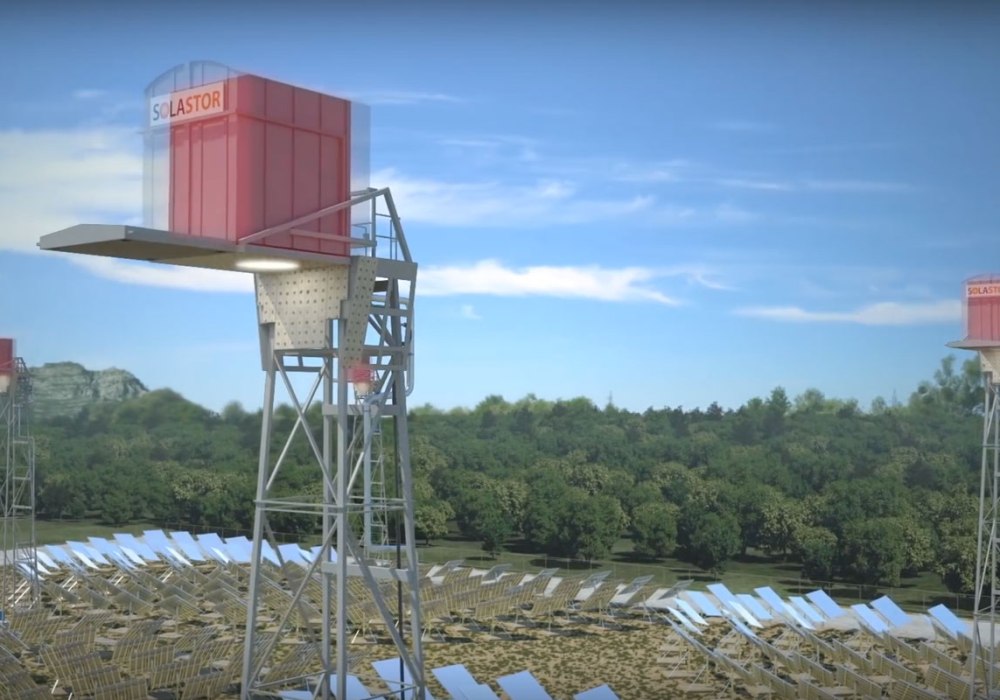
On 7th June 2016 another important step was taken towards decarbonising the South Australian economy. Solastor Australia announced detailed plans to build a solar thermal power station at Port Augusta.
In 2012 Dan Spencer reported for the New Internationalist:
“In July this year – faced with the closure of the coal plants – a community vote was held by a local group called Repower Port Augusta asking residents whether they wanted solar thermal or gas to replace the town’s coal stations. Overwhelmingly the community voted 4053 to 43 for clean air, more jobs and the chance to see Port Augusta lead the country by building Australia’s first solar thermal power plants.”
Years passed and despite the enormous enthusiasm of the people of Port Augusta, and tireless activism, little physical progress was made.
After a long study, Alinta Energy announced in September 2015 that it wasn’t feasible for it to build a solar thermal plant to replace its coal-fired power stations. Closure had been expected some time between March 2016 and March 2018, but the end came quickly with the power stations shut down on May 9th 2016. South Australia lost a significant part of its baseload power-generating capacity without any commencement of building a replacement.
But despite that, the transition to a green economy is well underway in South Australia. 41% of the State’s electricity grid generation was powered by renewable energy in 2014/15. And the South Australian Low Carbon Economy Experts Panel reported to the South Australian Government in November 2015 that it is feasible for the State to reach net zero emissions by 2050.
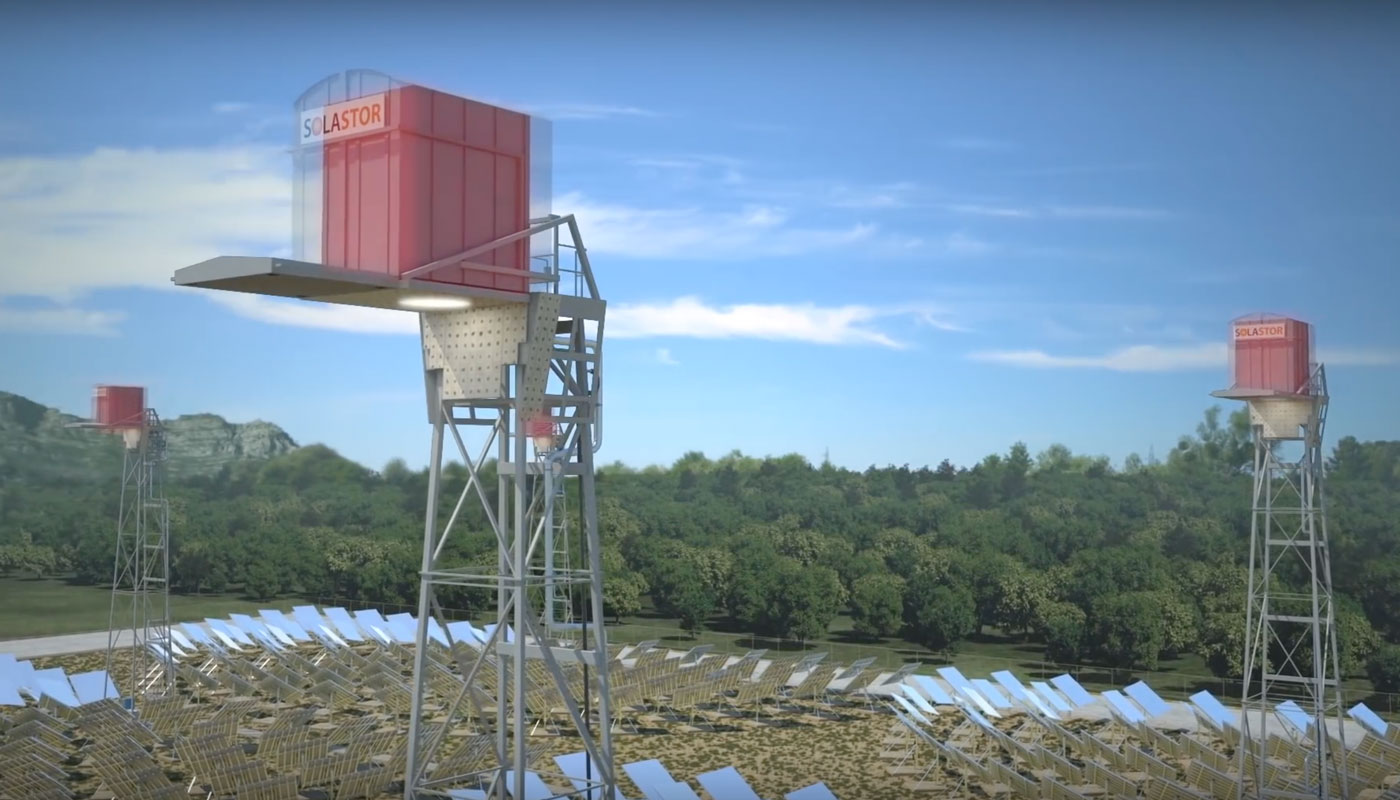
So this week’s announcement from Solastor Australia is tremendously important, particularly because the company is promising prompt action. They plan to build a grid-connected pilot plant at Port Augusta by the end of 2016, using scalable technology. The 1MW demonstration solar thermal power station will have several collector towers, each holding a 10 tonne block of graphite that can store the heat from the toroidal reflector mirrors for up to a week. Water circulating through tubing embedded in the graphite is converted to steam which then drives a turbine generator.
The full-scale grid-connected power station will have 1,700 collector tower modules and is expected to generate 110MW in winter and 170MW in summer.
Solastor envisages that this will be the first of many similar baseload solar thermal plants.
You can watch the Solastor Australia launch video on YouTube or on the New Internationalist Australia Facebook page.
 BrianLoffler